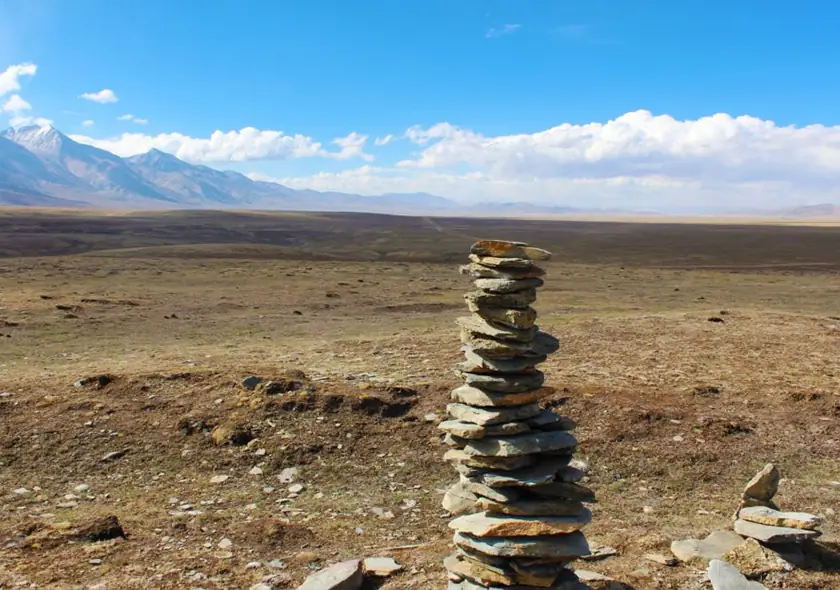
 Most popular3,897 m
Upper Mustang Trek
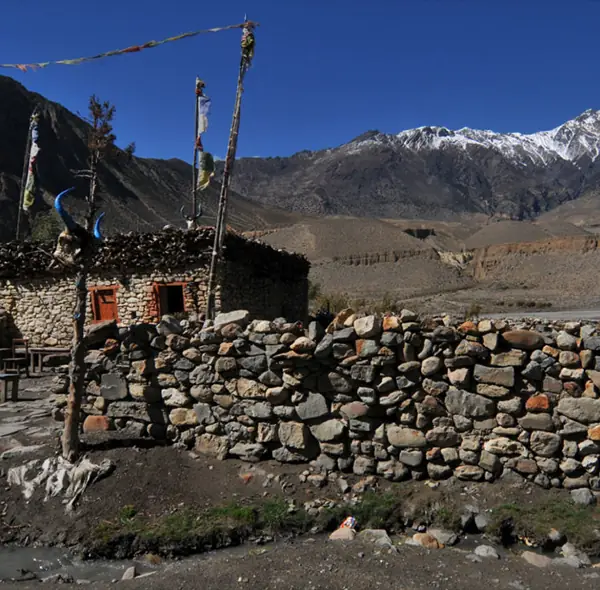
Canyons, cliff caves and the walled city of Lo Manthang in the former Kingdom of Lo. Good in the monsoon too.
- 17 days
- Moderate
- All meals
FromUSD 1,949
Nepal's hidden trans-Himalayan valleys: the walled city of Lo Manthang, turquoise Phoksundo Lake and the medieval villages of Nar and Phu. They're dry, wild and deeply Tibetan, and Mustang and Dolpo can be trekked even in the monsoon.
Our Kathmandu office usually replies on WhatsApp within a few hours
Nepal's trans-Himalayan rain shadow
Every trek includes a licensed, first-aid trained guide, a porter for every two trekkers, all meals on the trail and your trekking permits. Prices are per person.
Most popular3,897 mCanyons, cliff caves and the walled city of Lo Manthang in the former Kingdom of Lo. Good in the monsoon too.
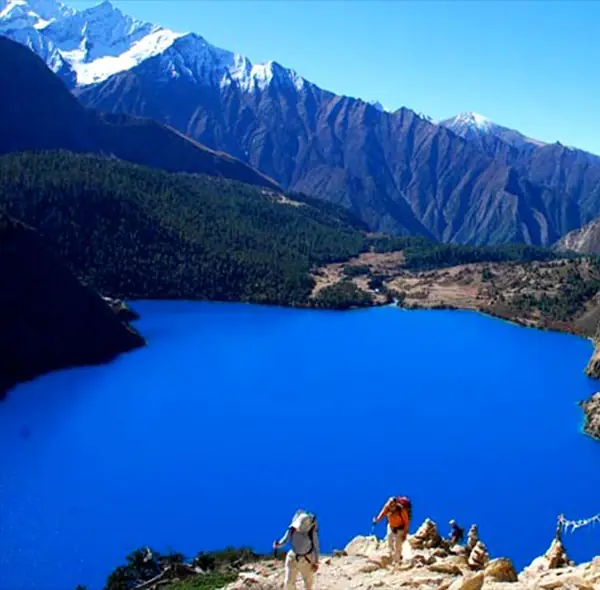 The great expedition trek5,190 m
Dho Tarap, three passes over 5,000 m and turquoise Phoksundo Lake, in Nepal's most remote region.
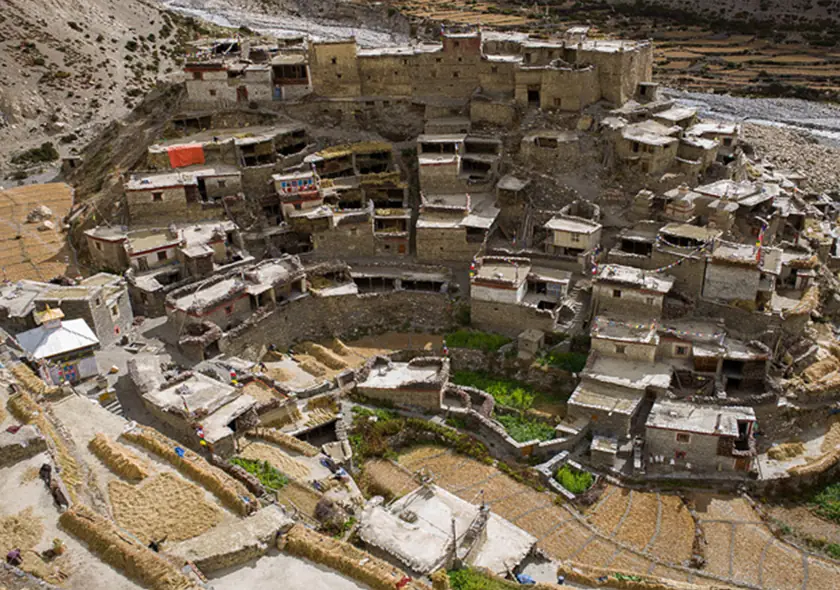 Hidden gem5,416 m
Medieval Tibetan villages opened to trekkers only in 2002, the Kang La pass, then over Thorong La to Muktinath.
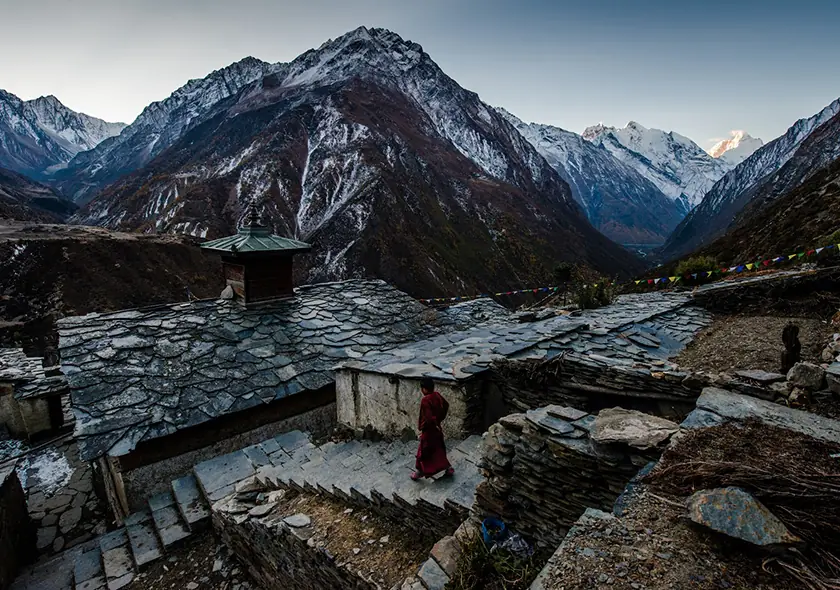 Sacred valley3,700 m
A remote Buddhist valley below Ganesh Himal, with Milarepa's cave and the monastery of Mu Gompa.
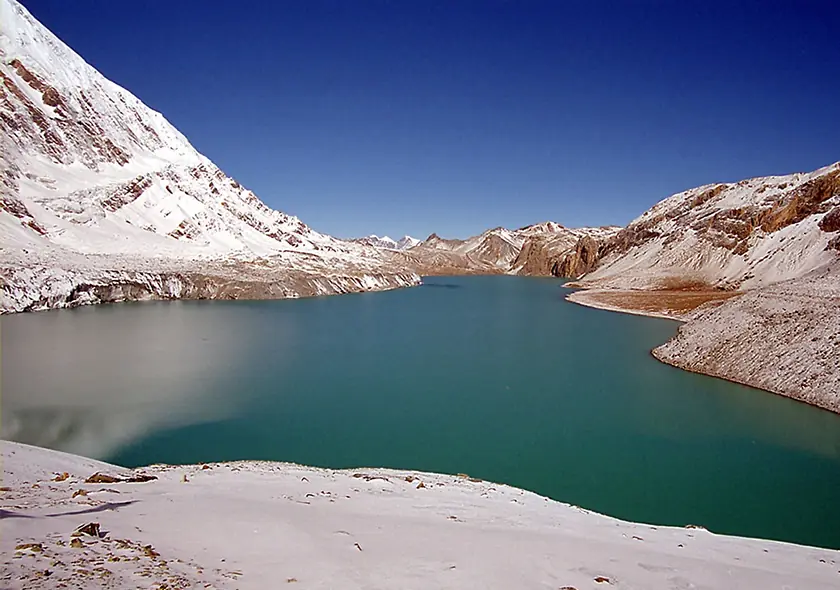 High lake5,099 m
Tilicho Lake at 4,919 m, then over the rarely crossed Mesokanto La to Jomsom and a flight to Pokhara.
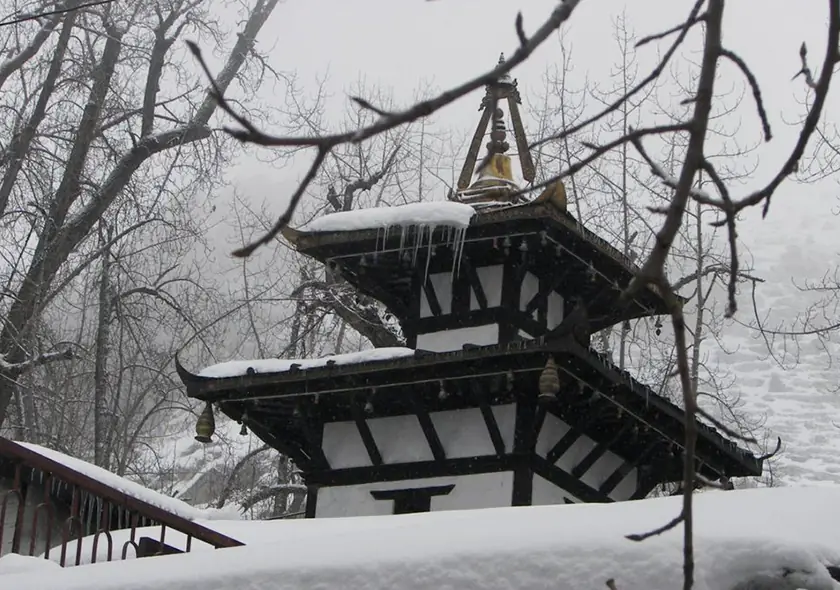 Pilgrimage3,800 m
Poon Hill, the Kali Gandaki gorge and Kagbeni to Muktinath, a temple sacred to Hindus and Buddhists.
Want a private trek, a jeep option to Lo Manthang, or to time your trip with the Tiji festival? Tell us what you have in mind and we'll build a custom plan.
Answer three quick questions and we'll suggest the rain shadow trek that matches your time, experience and interests.
Answer the three questions and we'll match you with the right trek.
Dhaulagiri, the Annapurnas and Manaslu block the monsoon clouds, leaving the valleys to their north high and dry: Dolpo in the far west, then Mustang, Manang and Nar Phu. Further east, Tsum is another hidden Tibetan valley. Pick a route to see where it goes.
Choose a trek to see its altitude profile and daily plan. Tap a day for details. Remote treks depend on mountain flights and weather, so plans can shift by a day.
The altitude listed for each day is the highest point you reach, or where you finish on descent and travel days.
Join a small group on a fixed date, including summer departures for Mustang and Dolpo, or go private on dates that suit you.
| Start (arrive Kathmandu) | Finish | Price per person | Status | Reserve |
|---|
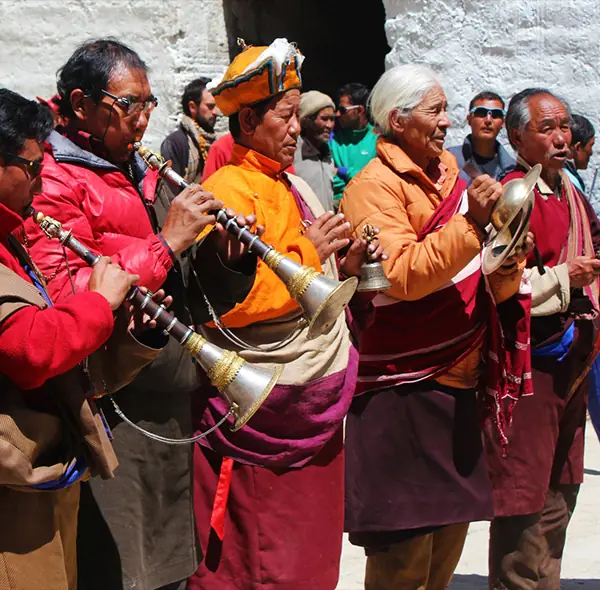
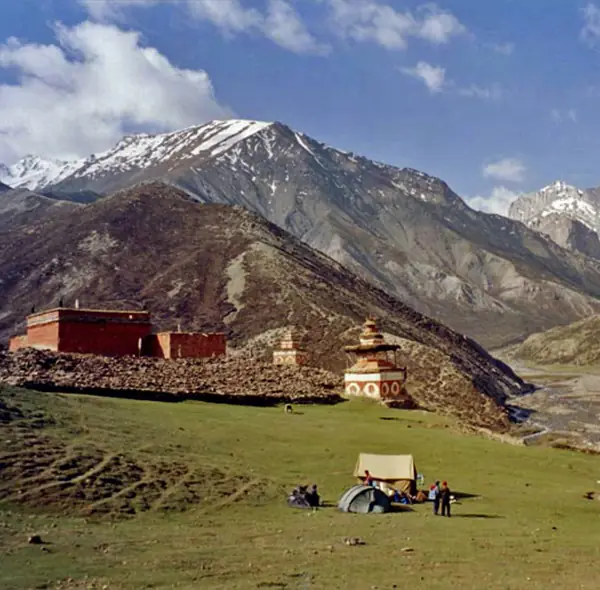
Clear skies and strong afternoon winds. The three-day Tiji festival fills Lo Manthang with masked dances, usually in May.
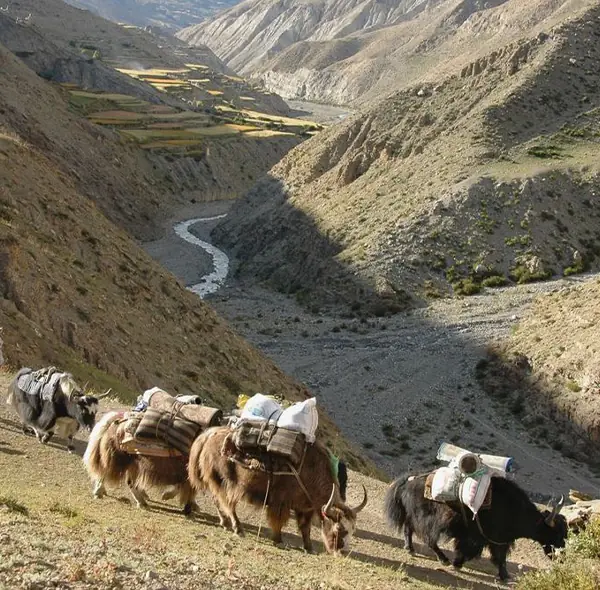
While the rest of Nepal is under monsoon cloud, Mustang and Dolpo stay mostly dry. It's the perfect season to trek here.
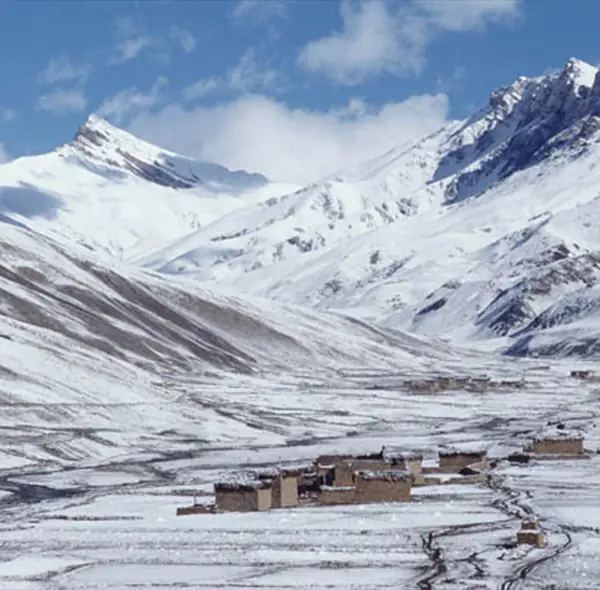
Snow closes the high passes of Dolpo and Nar Phu, and many villagers move south. Lower Mustang and Muktinath are possible but very cold.
Shown for the 17-day Upper Mustang Trek. Other treks vary slightly. Every trip page lists its exact inclusions.
Tip: restricted-area permit rules and fees change from time to time. We'll confirm the exact permit costs for your dates when we send your quote.
High desert means strong sun, fierce afternoon winds, dust and freezing nights. Keep your porter bag to about 10–12 kg. Items marked Rent in Kathmandu are easy to hire cheaply in Thamel.
Restricted areas need a registered agency, a licensed guide and careful logistics. We're based in Thamel, Kathmandu, and plan, staff and support every trek ourselves.
We apply for your restricted-area and conservation permits, so you just send a passport copy and photos.
Many of our guides have worked in the Himalaya for more than 20 years. Every one is government-licensed and first-aid trained.
Sensible acclimatisation, spare days for mountain flights, a medical kit on every trek and helicopter rescue arranged if needed.
We support communities through our work with the Pioneer Foundation, a Kathmandu non-profit.
We enjoyed amazing historic places, the iconic Lomanthang Palace, awesome preserved culture and the scenic beauty during the whole trek.
My gratitude to Gautam, the owner, who spent a lot of time planning this, making changes up to the last minute, always adapting everything to my needs.
My guide, Khem, was extraordinary at his task and I count him as a great friend now. I recommend CO to anyone who wishes to do any trekking in Nepal.
My guide Khem and porter Dhurba have been excellent companions during the trek. Caravan has made things really easy from the very beginning.
Our guide made sure we beat the weather every night and we made it to our lodge before the rain started.
Caravan Outdoor means assistance, courtesy, know-how. Thank you very much for this experience.
Tell us your dates and interests and we'll recommend the right valley honestly, including whether a summer trip makes sense.
Ask on WhatsAppA rain shadow is the dry land behind a mountain range. The Himalaya block most of the monsoon clouds, so valleys north of the main range, such as Upper Mustang, Upper Dolpo, Manang and Nar Phu, get very little rain. The landscape is high desert, with canyons, cliffs and Tibetan-style villages.
We're a licensed, Kathmandu-based operator with an office in Thamel, a member of GETA, and our guides have up to 20+ years in the Himalaya. More than 3,000 travellers have trekked with us. We handle the restricted-area permits and remote logistics ourselves, so you deal with one team from start to finish.
Upper Mustang, Upper Dolpo, Nar Phu and Tsum Valley are restricted areas. You need a special restricted-area permit, issued through a registered trekking agency, and you must trek with a licensed guide. We handle the applications for you.
Yes. Our guides speak English and will explain the culture, monasteries and villages along the way. If you need another language, ask us when you enquire.
A passport valid for at least six months with blank pages, a Nepal visa, passport photos for permits, and a copy of your travel insurance policy. Restricted-area permits are issued in Kathmandu, so we'll need your passport details in advance.
Yes. Upper Mustang and Upper Dolpo lie in the rain shadow and stay mostly dry from June to August, while the rest of Nepal is under cloud. Getting there can still be affected by monsoon weather on the flights and roads, so keep a spare day or two.
Upper Mustang is good from March to November, including the summer. Upper Dolpo is best from June to September, before snow closes the passes. Nar Phu, Tilicho and Tsum are best in spring (March–May) and autumn (September–November).
Days are usually sunny and dry, with strong sun at altitude. In Mustang a fierce wind blows up the Kali Gandaki valley most afternoons. Nights are cold, often below freezing in spring and autumn, and much colder on Dolpo's high passes.
Tiji is a three-day festival of masked dances in Lo Manthang, held each spring according to the Tibetan calendar, usually in May. Dates change each year, so tell us if you'd like to time your Upper Mustang trek with it and we'll confirm.
Restricted-area treks need a special permit plus a conservation or national park permit. Upper Mustang and Nar Phu also need the Annapurna Conservation Area permit, Upper Dolpo the Shey Phoksundo National Park permit, and Tsum the Manaslu Conservation Area permit. We arrange all of them.
Fees are set by the government and are charged per person, by the day or week depending on the area. They have changed in recent years, so we'll confirm the exact permit cost for your dates in your quote rather than quote an out-of-date figure here.
Our 17-day Upper Mustang Trek starts from USD 1,949 per person, including Pokhara–Jomsom flights, all meals on the trek, a licensed guide, a porter for every two trekkers and hotels in Kathmandu and Pokhara. Upper Dolpo starts from USD 3,499 and Nar Phu from USD 1,649.
A deposit of USD 200 per person secures your place. You can pay it by card through our secure online payment page. The balance is paid before departure or on arrival in Kathmandu.
You must always trek with a licensed guide through a registered agency. Rules on minimum group size have changed recently, so tell us if you're travelling solo and we'll confirm what's possible for your dates, or match you with a group departure.
Most nationalities can get a tourist visa on arrival at Kathmandu airport. It currently costs USD 30 for 15 days, USD 50 for 30 days or USD 125 for 90 days. Longer treks like Upper Dolpo need the 30- or 90-day visa. Check the latest rules with Nepal's Department of Immigration before travelling.
A member of our team meets you at arrivals and takes you to your hotel. Send us your flight details once they're booked.
It is a moderate trek with a high point of around 3,900 m, so it's less demanding than most high-pass treks. The challenges are strong afternoon winds, dust and long, exposed days in a dry climate.
Upper Dolpo is one of Nepal's toughest treks: 27 days in remote country with three passes over 5,000 m (Numa La, Baga La and Kagmara La) and some nights camping. It's best for experienced trekkers who are comfortable at altitude.
For Upper Mustang, Tsum and Muktinath, good fitness is enough. For Nar Phu and Tilicho, some multi-day trekking experience helps, because of the 5,000 m passes. For Upper Dolpo, we recommend you've done at least one long, high-altitude trek before.
Itineraries climb gradually with acclimatisation days, such as in Phu, Nar and Dho Tarap. Your guide checks on the group every day, carries a medical kit including Diamox, and will descend early if anyone shows warning signs. Read our guide to altitude sickness.
Your policy must cover trekking up to 6,000 m, including helicopter rescue and medical evacuation. In remote areas like Dolpo, evacuation is only realistic by helicopter, so this cover is essential.
Your guide is first-aid trained, and the first step is always to descend. For serious illness or injury we coordinate a helicopter evacuation with your insurer. In the most remote places it can take longer to arrange, which is why careful acclimatisation matters so much.
Don't drink untreated water. Use purification tablets, a filter bottle or a UV purifier, or buy boiled water at lodges. The air is very dry, so drink more than you think you need.
In family-run teahouse lodges on Upper Mustang, Nar Phu, Manang, Tsum and Muktinath, usually in simple twin rooms. Upper Dolpo has lodges and homestays in some villages, but includes nights camping near the high passes.
Lodge menus cover dal bhat, Tibetan bread, noodles, soups, pasta and eggs. In remote villages the choice is smaller and simpler. Thakali dal bhat in the Kali Gandaki valley is famous. Vegetarian diets are easy, so just let us know your needs.
Usually, but power is often solar and limited, especially in Dolpo and Upper Mustang, and there may be a small fee. Bring a large power bank or solar charger. Hot showers are available in many lodges, but not every night.
Usually a short morning flight from Pokhara to Jomsom, then on foot to Kagbeni, where the restricted area begins. Jomsom flights only operate in the morning, because the wind picks up later, and they can be delayed by weather. If a flight can't go, we switch to the road.
Fly from Kathmandu to Nepalgunj, then take an early mountain flight to Juphal. The trek finishes in Jumla, with flights back via Nepalgunj. Mountain flights are weather-dependent, which is why the itinerary includes a spare day in Kathmandu.
Yes. A jeep road now reaches Lo Manthang, and some visitors choose a jeep tour instead of trekking. Our trekking route uses trails away from the road wherever possible. Ask us if you'd like a shorter jeep-and-trek option.
There are ATMs in Pokhara and Jomsom, but none in Upper Mustang, Dolpo, Nar Phu or Tsum, so carry enough Nepali rupees in cash. Mobile signal is patchy and often absent in the remote valleys, and Wi-Fi is limited.
A windproof jacket, a buff for the dust, strong sun protection, a down jacket and a warm sleeping bag are the essentials. See our full packing list above.
Tipping is customary in Nepal and much appreciated, but it's up to you. Many trekkers budget around 10% of their trip cost for the crew, handed over at the end of the trek.
Deposits, cancellations and refunds are set out in our terms & conditions. Restricted-area permit fees are usually non-refundable once issued, so we strongly recommend trip-cancellation insurance.
Yes. Any of these treks can run as a private trip on the dates you choose, subject to permit rules. Tell us your plans and we'll send a tailored itinerary and quote.
No booking engine to wrestle with. Message us and a real person in Kathmandu will plan it with you.